Design concept presentations
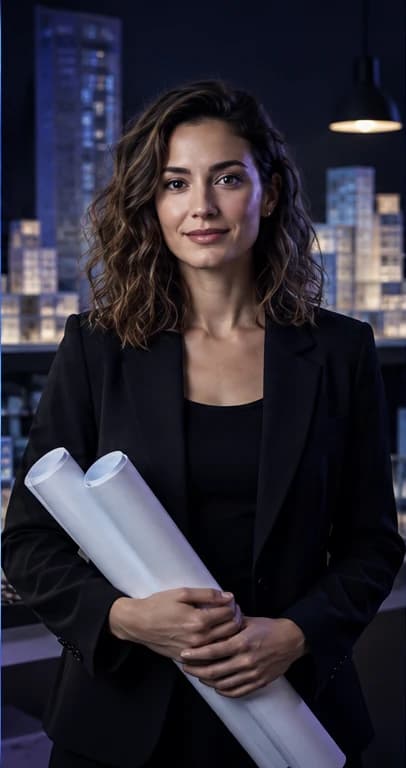
Create design concept presentations in Chinese with a consistent, camera-ready architect presenter.


Create a Chinese-speaking professional presenter for design concept presentations. Choose a gender and age, enter the words to speak, and optionally upload your own portrait; the complete video workflow runs automatically.
Upload is optional. Without one, Medux generates the professional portrait for you.
This controls the cross-lingual reference voice and the AI-generated presenter.
Preview the selected male voice at each age.
This text becomes the narration and drives the final lip sync.
Upload a portrait to skip text-to-image. Leave this empty and Medux creates a architect portrait that matches the selected gender and age.
Using your own image? The selected gender and age still control the cross-lingual reference voice. The presenter’s appearance, gender presentation, and apparent age come from your image.
One run creates several billable media tasks. Available models and credits depend on your plan.
Choose your settings and start generation. Only the completed video is shown here.
Present design intent, spatial concepts, and project stories with an Chinese-speaking architectural professional.
Built for architecture studios, property developers, design educators, and planning teams, this workflow combines a profession-specific visual, Chinese speech, and your script in one repeatable production path.
Create design concept presentations in Chinese with a consistent, camera-ready architect presenter.
Create project proposal videos in Chinese with a consistent, camera-ready architect presenter.
Create building feature tours in Chinese with a consistent, camera-ready architect presenter.
Chinese professional videos can serve audiences in Mainland China, Taiwan, Singapore, and Chinese-speaking communities worldwide. Scripts should account for writing system, terminology, tone, and regional service expectations.
Planning terms, building codes, measurement units, accessibility requirements, and procurement language vary substantially by Chinese-speaking region.
Use Simplified Chinese, locally familiar professional terms, platform conventions, and market-specific examples.
Use Traditional Chinese and review vocabulary, titles, units, institutional names, and audience tone for Taiwan.
Create concise Chinese content for multilingual audiences while adapting public-service, education, business, and cultural references.
Pair clear Chinese narration with region-specific services, currencies, regulations, and calls to action.
Choose Simplified or Traditional Chinese before publication, then review professional terms, regulatory references, units, names, and calls to action for the intended market.
Adapt design concept presentations for the vocabulary, institutions, standards, and audience expectations of each Chinese-speaking market.
Use the same architect avatar across regional versions so recurring communication stays visually consistent.
Revise scripts for new services, rules, campaigns, or locations and produce another Chinese presenter video through the same workflow.
Select a gender and age, or upload a portrait you already want to use.
Enter the words you want your professional presenter to say.
Medux prepares the completed presenter video for preview and download.
Use a Chinese architect avatar for design concept presentations, project proposal videos, building feature tours. Present design intent, spatial concepts, and project stories with an Chinese-speaking architectural professional.
The occupation and Chinese language are fixed by this page. With an AI-generated portrait, gender and age control both the voice and presenter. With your own image, they control the voice while the uploaded photo defines the presenter’s appearance.
Present design intent, spatial concepts, and project stories with an Chinese-speaking architectural professional. Common formats include design concept presentations, project proposal videos, building feature tours.
This workflow is designed for architecture studios, property developers, design educators, and planning teams. It helps teams turn a Chinese script into a consistent presenter video without arranging a new recording session for every update.
Yes. Upload a clear, front-facing portrait to skip AI portrait generation. Your gender and age choices still select the cross-lingual reference voice, while the uploaded image controls the presenter’s appearance.
Planning terms, building codes, measurement units, accessibility requirements, and procurement language vary substantially by Chinese-speaking region. The regional scope includes Mainland China, Taiwan, Singapore, Global Chinese communities. Choose Simplified or Traditional Chinese before publication, then review professional terms, regulatory references, units, names, and calls to action for the intended market.